Cosmetic Equipment
Why Balance Exercises Become Important Workouts After Turning 40
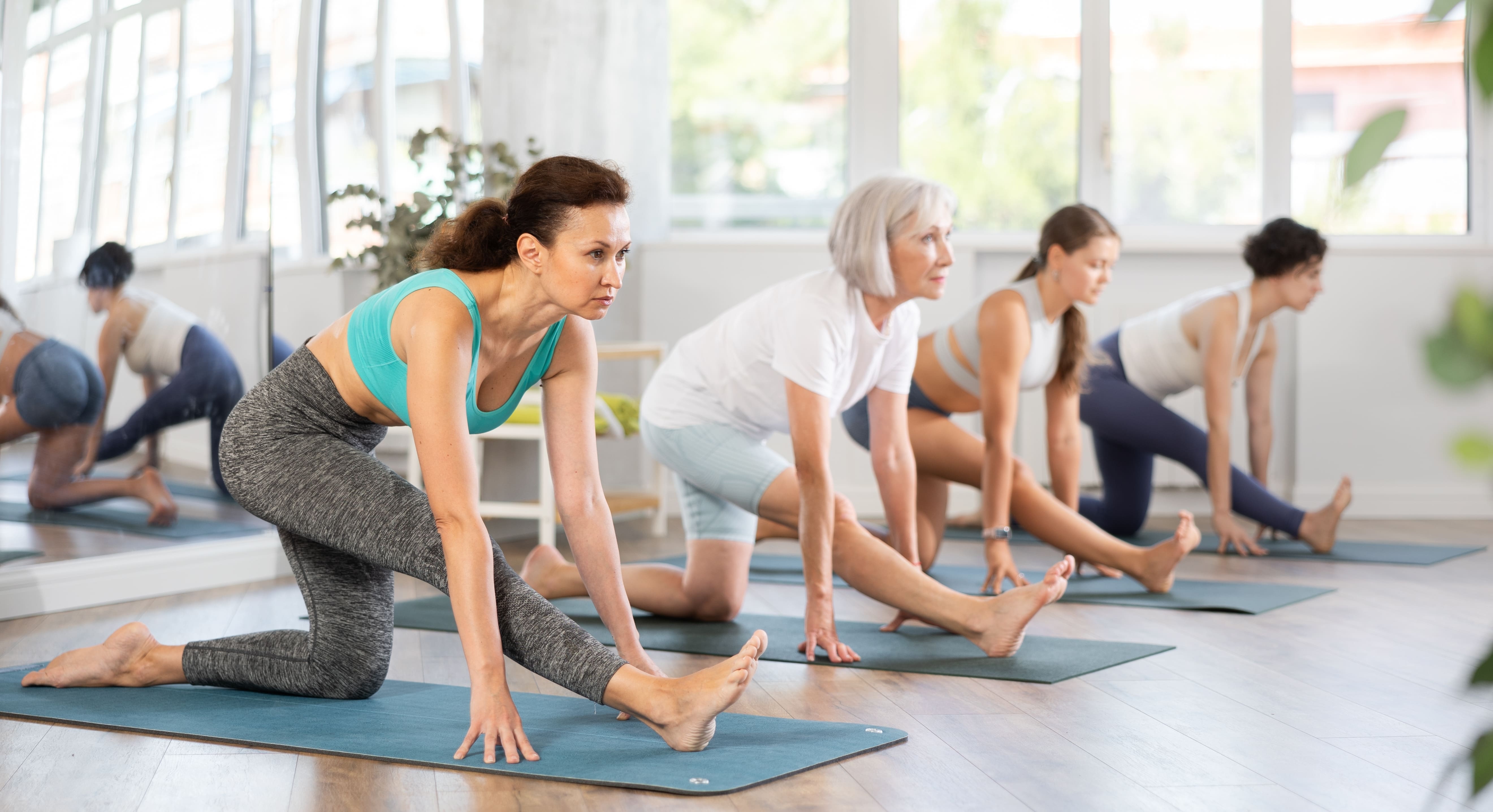
Why Balance Exercises Become Important Workouts After Turning 40
In your 20s and 30s, fitness is more about aesthetics and performance. But after 40, a new, more urgent goal comes into focus: longevity. We don't just want to live longer; we want to live better. We want to be the 70-year-old who can still play on the floor with their grandkids, hike a trail, and move with confidence.
And the master skill for a long, active, independent life? It's not your cardio or your bicep size. It's your body's balance.
Balance exercises for adults are the single most overlooked, yet most critical, component of fitness for longevity. We often dismiss it as "soft" or something specially designed for old people. The truth is, it's a "use it or lose it" skill that starts to decline in our late 30s. And the time to train is now.
What Is Balance? (It's a "Brain Workout")
Balance isn't just about your legs. It’s a complex, high-speed conversation between three systems, all processed by your brain:
Your Eyes (Vision): What you see.
Your Inner Ear (Vestibular System): Your body's internal "gyroscope."
Your Body (Proprioception): A network of nerves in your joints and muscles that tell your brain where your body is in space, without you having to look.
When you're young, this system is automatic. As you age, and especially if you're sedentary, the connection gets "rusty."
5 Reasons Balance Is Your New Fitness Priority
1. It Is the Ultimate "Fall Prevention Exercise"
This is the most obvious, but most critical, benefit. A fall for a 25-year-old is an embarrassment. A fall for a 65-year-old can be a life-altering event, leading to a broken hip and a loss of independence. Good balance is your #1 insurance policy against this, as it trains your body's "reflexes" to catch you before you fall.
2. It's the "Secret" to a Stronger Core
You cannot balance on one leg without your deep core muscles firing like crazy. Forget 100 crunches. Standing on one foot, especially with your eyes closed, activates your transverse abdominis and obliques on a deep, neurological level. It’s a functional core workout in its purest form.
3. It Makes Every Other Exercise Better (and Safer)
Want to squat heavier? Play pickleball? Go for a trail run? All of these require dynamic balancing capabilities, the ability to be stable on one leg while in motion. A strong sense of balance improves your coordination, power, and agility, and it's what stops your knee from caving in on a lunge, thereby preventing injury.
4. It's a "Use It or Lose It" Brain Skill
Because balance is a brain-body connection, training it is a form of "neuroplasticity." You are actively keeping your brain's processing speed sharp, forcing it to adapt and build new pathways. This is a powerful tool in the fight against age-related cognitive decline.
5. It Maintains Your "Go-To" Freedom
Good balance means you don't have to "think" about your movements. It's the confidence to walk on an uneven beach, to step off a curb without looking, or to stand up on a paddleboard. It is, quite literally, the skill that allows you to move through the world with freedom and confidence.
How to Improve Balance: A Simple 3-Level Routine
You don't need a gym. You can do this in 5 minutes while you brush your teeth.
1. LEVEL 1: Static Stance (Start Here)
Tandem Stance: Stand with one foot placed directly in front of the other, heel-to-toe, as if on a tightrope. Hold for 30 seconds. Switch.
Single-Leg Stance: Stand on one foot. Hold for 30 seconds. Your goal is to do it without "wobbling."
2. LEVEL 2: Challenge Your Senses
Single-Leg Stance with Eyes Closed: This is the real test. By removing your visual input, you force your brain to rely only on your inner ear and your proprioception. Be near a wall! You will be shocked at how hard this is.
Single-Leg Stance on an Unstable Surface: Stand on a pillow, a cushion, or a foam pad. This forces all the tiny "stabilizer" muscles in your foot and ankle to wake up.
3. LEVEL 3: Dynamic Balance (In Motion)
Walking Lunges: A slow, controlled lunge is a "balance-in-motion" exercise.
Single-Leg Deadlift (Bodyweight): Hinge at your hip, standing on one leg, and send your other leg straight back. This builds balance, hip stability, and glute strength all at once.
Final Thoughts
Start today. Integrate these balance exercises for adults into your life. This is not just an "exercise." This is a daily deposit into the bank account of your long, active, independent future.