
Cosmetic Equipment
What Is Sleep Hygiene? 10 Actionable Steps to Protect Your Mental Health
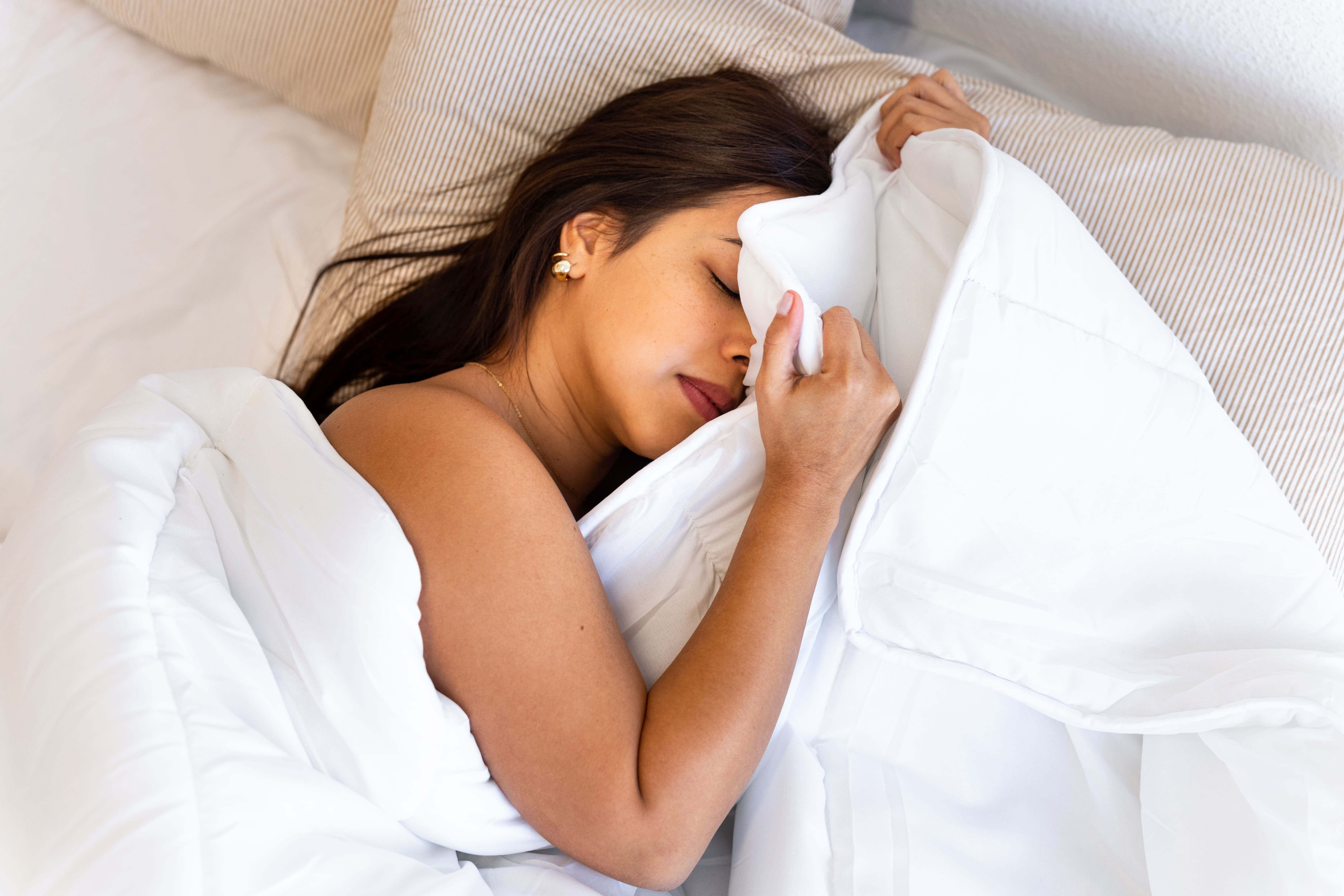
What Is Sleep Hygiene? 10 Actionable Steps to Protect Your Mental Health
For busy individuals in their early 30s or late 40s, sleep isn't a luxury; it's a battle. You work hard, you care for your family, and when you finally get into bed, your mind decides to run a marathon. You replay your day, you write your to-do list for tomorrow, and you scroll on your phone until your eyes burn, all while wondering, "Why am I so exhausted and anxious all the time?"
Here’s the truth: Your poor sleep is not the result of your anxiety; it is the cause of it.
Learning how to improve sleep for mental health is one of the most prominent stress reduction techniques you can possibly adopt. And the "how-to" manual for this has a name: Sleep Hygiene.
But what is sleep hygiene? It’s not about finding a "quick fix" like a pill. It’s a set of simple, daily, and actionable routines you can build to signal to your brain and body that it is time for deep, restorative rest. It is the single most powerful, non-negotiable act of self-care for a healthy mind.
The Link: Why Sleep Is Your #1 Mental Health Tool
Think of deep (REM) sleep as your brain's "nightly-therapy-and-janitorial-service."
1. It Processes Emotion: During REM sleep, your brain processes the emotional experiences of the day. It "de-links" your memories from their emotional charge, allowing you to wake up with a fresh, more rational perspective. When you don't get enough REM, those emotions stay raw, unprocessed, and volatile. This is why you are so much more irritable and anxious after a bad night's sleep.
2. It Clears Out Toxins: Your brain also uses sleep to flush out toxic byproducts that build up during waking hours.
A good best sleep routine isn't just about feeling rested; it's about feeling sane.
Your 10-Step "Sleep Hygiene" Action Plan
You don't have to do all 10 tonight. That's just more stress. Start by mastering the first two.
1. Stick to a Strict Schedule Always:
This is the most important rule. Your body's internal 24-hour clock (your circadian rhythm) craves consistency.
Your Action: Go to bed and wake up at the same time every single day. Yes, even on weekends. Waking up at 7 AM on weekdays and 11 AM on Saturday is like giving yourself jet lag every single week.
2. Create a "Digital Curfew" (The "Melatonin Killer")
The blue light from your phone, TV, and laptop is a direct signal to your brain that says, "It's noon! Stay awake!" It actively blocks the release of melatonin, your body's "sleep hormone."
Your Action: Set a "Digital Curfew" alarm on your phone for 90 minutes before your desired bedtime. When it goes off, all screens go off.
3. Get 15 Minutes of Morning Sunlight
This is the "pro-tip" that fixes your night. To sleep well at night, you need to signal to your brain in the morning.
Your Action: Within 30 minutes of waking, go outside for 10-15 minutes (no sunglasses). The bright, natural light hits your optic nerve and sends a powerful signal to stop melatonin and start your "awake" hormones. This sets your 24-hour clock perfectly.
4. Create a "Wind-Down" Ritual to Allow your Body to Rest
You can't go from 100 mph (answering emails) to 0 mph (asleep). You need a 30-60 minute "buffer zone" to signal to your body that the day is over.
Your Action: In your "screen-free" 90 minutes, do something relaxing: read a physical book (not an e-reader), listen to calm music, do some gentle stretching, or take a hot bath/shower.
5. Ensure your bedroom is dark
Your brain is wired to sleep in a cave: Dark, Cool, and Quiet.
Your Action:
Dark: Get blackout curtains or wear an eye mask.
Cool: The ideal temperature for sleep is around 65°F (18°C).
Quiet: Use earplugs or a white noise machine if you live in a noisy area.
6. Use Your Bed for Sleep and Intimacy Only
Your brain learns from association. If you work from your bed, watch TV in your bed, and argue in your bed, your brain associates your bed with stress and alertness.
Your Action: Make your bed a sacred space, reserved only for sleep and intimacy.
7. Have a "Caffeine Cutoff" Time that matches your body clock
Caffeine has a "half-life" of 5-6 hours. That means half the caffeine from your 3 PM coffee is still in your system at 9 PM.
Your Action: Set a firm "caffeine cutoff" time. For most people, this is 2 PM.
8. Re-Think the "Nightcap"
That glass of wine might make you drowsy and help you fall asleep, but it destroys your sleep quality.
Your Action: Alcohol prevents you from getting the deep, restorative REM sleep you need. It's a sedative, not a sleep aid. Try swapping it for a "Sleepytime" herbal tea.
9. Move Your Body (Just Not Too Late)
Regular exercise is one of the best ways to improve sleep quality. A body that has worked is a body that wants to rest.
Your Action: Just be mindful of when. An intense, heart-pounding HIIT workout right before bed can be too stimulating.
10. The 20-Minute "Get Up" Rule
This is the most important rule for insomniacs. If you are lying in bed, tossing and turning, and stressing about not sleeping, you are doing more harm than good.
Your Action: If you have been awake for 20 minutes, get out of bed. Go to another room, sit in a dim light, and read a boring book (no phones!). Only return to bed when you feel sleepy. This breaks the toxic "bed = anxiety" cycle.
Concluding Thoughts
Start today. No need to go all in at once. Just pick one. You are not just "going to sleep"; you are actively protecting your mind.