Cosmetic Equipment
What to Eat for Sustained Energy? A Complete Plan
What to Eat for Sustained Energy? A Complete Plan
It’s the most predictable part of the day: 3 PM hits, and you’re hit by a wave of fatigue. Your eyelids feel heavy, your brain feels foggy, and you instinctively reach for a cup of coffee or a sugary snack just to make it through the afternoon. This "afternoon slump" has become so normal in our culture that we assume it’s an unavoidable part of a busy life.
However, what if you could have steady, reliable, all-day energy, without the highs and lows? The truth is, that crash isn't a sign that you're "lazy" or "undisciplined." It’s a biological signal. The key to learning what to eat for sustained energy levels isn't about finding a quick fix but about getting off the blood sugar rollercoaster for good.
Maintain Your Blood Sugar to Give you Energy When Tired
For decades, we’ve been told that "carbs = energy." This is only half true. The type of carb and what you eat with it is what matters.
Here’s what causes the 3 PM crash:
The "Naked" Carb Lunch: You eat a meal high in refined carbohydrates (like white bread, pasta, or even just a large piece of fruit on its own).
The Spike: Your body rapidly breaks these down into sugar (glucose), which floods your bloodstream.
The Panic Response: Your pancreas sees this huge sugar spike and "panics," releasing a massive flood of the hormone insulin to get the sugar out of your blood and into your cells.
The Crash: Insulin is too effective. It removes so much sugar, so quickly, that your blood sugar levels dip below normal. This is the "crash." Your brain, which runs on glucose, is suddenly low on fuel, and it sends out an emergency signal: "Get me sugar, NOW!" This is that "hangry," foggy, irritable feeling.
The secret to sustained energy throughout the day is to keep that blood sugar line stable and balanced, not spiky. And you do that with three heroes: protein, fat, and fiber.
The "Big 3s" for Sustained Energy
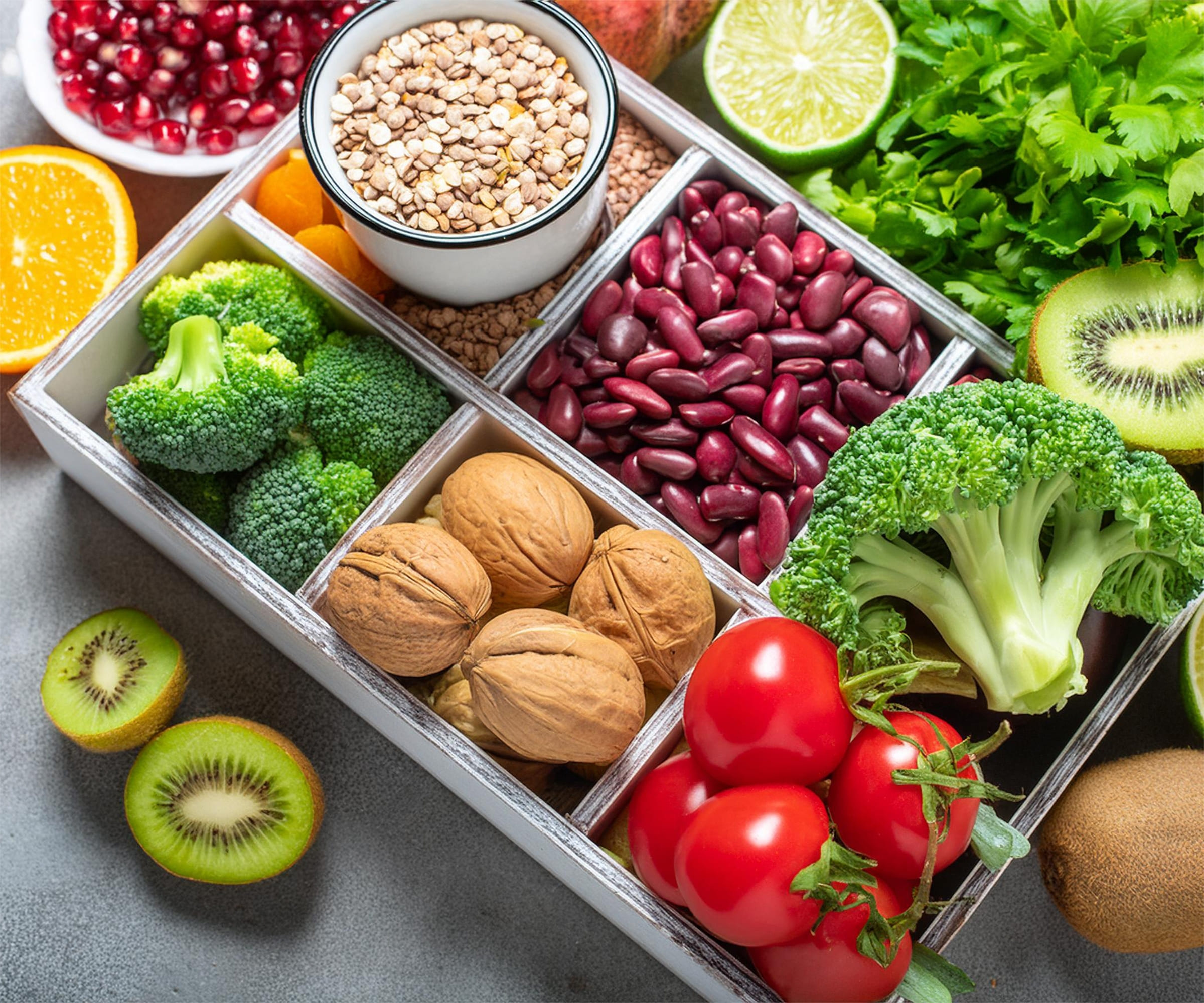
Think of every meal as a holistic food source for high energy levels. It needs all three of these components to be stable.
1. Protein: The Foundation
Protein-rich food is the single most important macronutrient for satiety and maintaining stable energy. It digests very slowly and has a minimal impact on your blood sugar.
Why it Works: A high-protein meal provides a slow, steady release of energy that can last for hours. It prevents the sharp spike-and-crash, and it's highly satiating, meaning it keeps you feeling full and satisfied, which kills cravings before they start.
How to Eat It: Aim for a palm-sized portion of protein at every meal.
Breakfast: Eggs, Greek yogurt, a high-quality protein shake.
Lunch: Chicken breast, salmon, lentils, or tofu on your salad.
Snack: A handful of almonds, a hard-boiled egg.
2. Healthy Fat: The Long-Burn Fuel
For years, we were told that "fat makes you fat." This is completely false. Healthy fats are your body’s long-burn, slow-release fuel source.
Why it Works: Like protein, fat digests very slowly. When you include fat in a meal, it slows down the absorption of everything else, including carbohydrates. This acts as a "buffer," preventing any potential blood sugar spike and keeping you on an even keel.
How to Eat It: Focus on whole-food, anti-inflammatory fats.
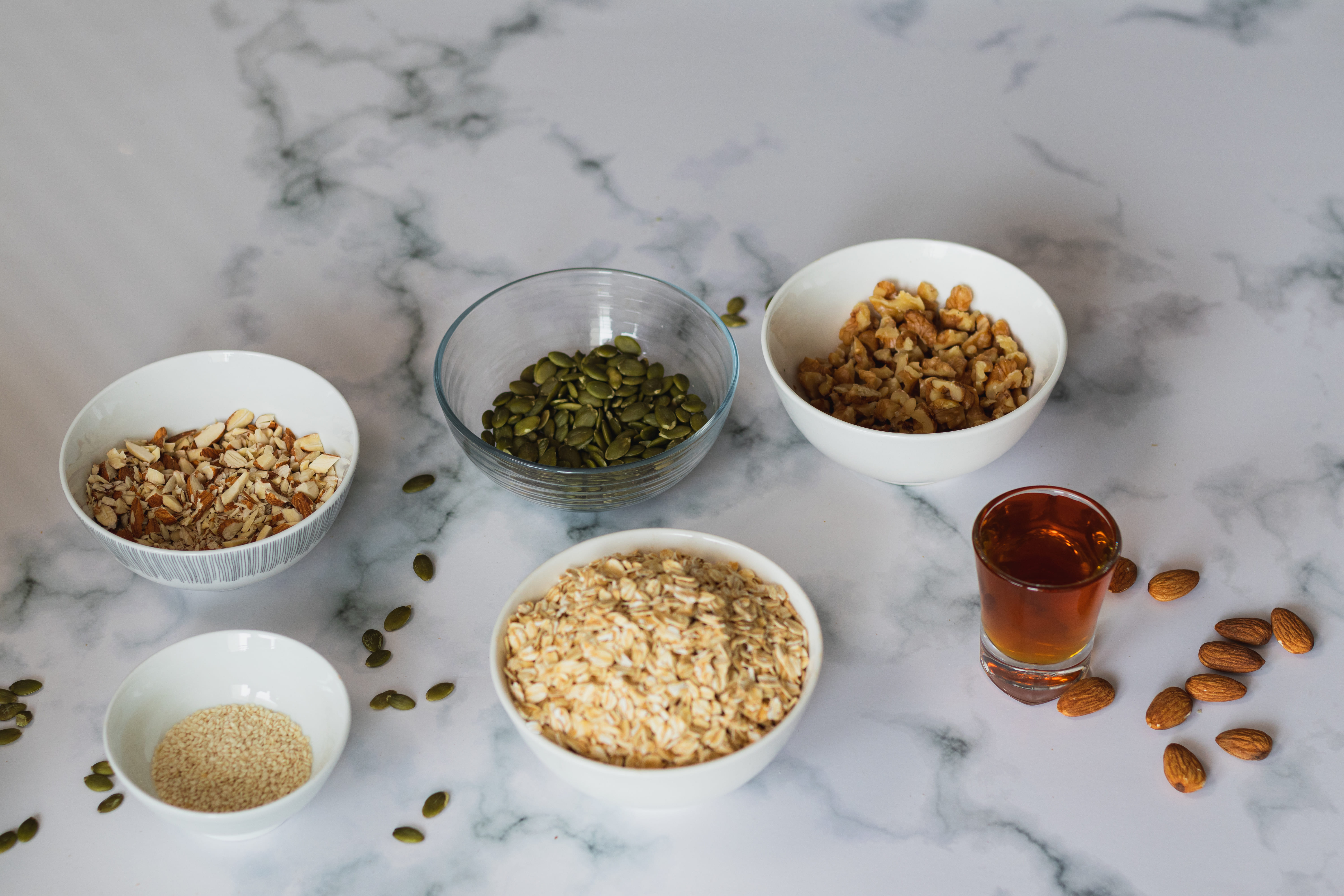
Sources: Avocados, olive oil (as a dressing), nuts (walnuts, almonds), seeds (chia, flax), and fatty fish (like salmon).
3. Fiber: The Blood Sugar Buffer to Maintain Energy Levels
Fiber is the "braking system" for your digestion. Specifically, soluble fiber (found in oats, beans, and apples) dissolves in water to form a thick, gel-like substance in your gut.
Why it Works: This "gel" physically slows down the rate at which sugar is absorbed into your bloodstream. This means that even when you do eat a carbohydrate, the fiber ensures the sugar is released slowly and gently, giving you a "hill" of energy that can be maintained for long periods of time.
How to Eat It: Ditch the white, refined carbs and choose their high-fiber counterparts.
Sources: Oats, quinoa, brown rice, beans, lentils, broccoli, apples, and berries.
A Day of Sustained Energy- How it looks?
Let's see it in action
| Food Timing | Crash Diet | Sustained Diet |
| Breakfast | Bagel w/ cream cheese (Naked Carb) | 3 scrambled eggs (Protein/Fat) w/ spinach (Fiber) & 1/2 avocado (Fat) |
| Lunch | Bowl of pasta w/ red sauce (Naked Carb) | Large salad w/ grilled chicken (Protein), chickpeas (Fiber), and an olive oil vinaigrette (Fat) |
| Post Lunch | CRASH. (Reaches for a candy bar) | STEADY. (Feels full and focused) |
Don't Forget the #1 Energy Thief: Dehydration
Before you even fix your food, check your water consumption. The very first sign of even mild dehydration is not thirst but fatigue. Your brain needs water to function effectively. Keep a water bottle on your desk and sip it all day.
Final Takeaways
You are not destined to be tired. Your energy levels are a direct result of your fuel choices. Start by making one change. This week, just commit to a protein-forward breakfast. See how you feel at 11 AM. You have the power to get off the rollercoaster and start building a life of steady, reliable energy.