Cosmetic Equipment
What Is the Anti-Inflammatory Diet? A Beginner's Guide
What Is the Anti-Inflammatory Diet? A Beginner's Guide
You must have probably heard the term "inflammation" a lot lately. It’s being linked to almost every major health concern, from achy joints and skin issues to heart disease and brain fog. This has led to a surge of interest in the "what is the anti-inflammatory diet?" question.
This isn't a trendy, fad-based, restrictive "diet" in the traditional sense. It's a scientifically-backed lifestyle of eating that is designed to calm, protect, and heal your body from the inside out. Let’s walk through a powerful, sustainable way to take control of your long-term health.
First: What Is Inflammation? (The Good vs. The Bad)
It’s crucial to understand that not all inflammation is bad.
Acute Inflammation: This is the "good" kind. When you sprain your ankle or get a cut, your immune system rushes to the site. The area gets red, swollen, and hot. This is a healthy, temporary, and life-saving healing response.
Chronic Inflammation: This is the "bad" kind. This is a low-grade, simmering fire that never turns off. It’s caused by a modern lifestyle: chronic stress, poor sleep, lack of movement, and, most importantly, a pro-inflammatory diet. This constant, low-level "state of emergency" can damage your cells, tissues, and organs over time.
The goal of an anti-inflammatory diet is to put out that chronic fire by removing the "fire-starters" and adding in the "fire-fighters."
The Core Principles: What to Eat?
This eating plan of an anti-inflammatory diet is simple, flexible, and delicious. The focus is on whole, unprocessed, nutrient-dense foods.
1. The Foods to Eat in Anti-Inflammatory Diet
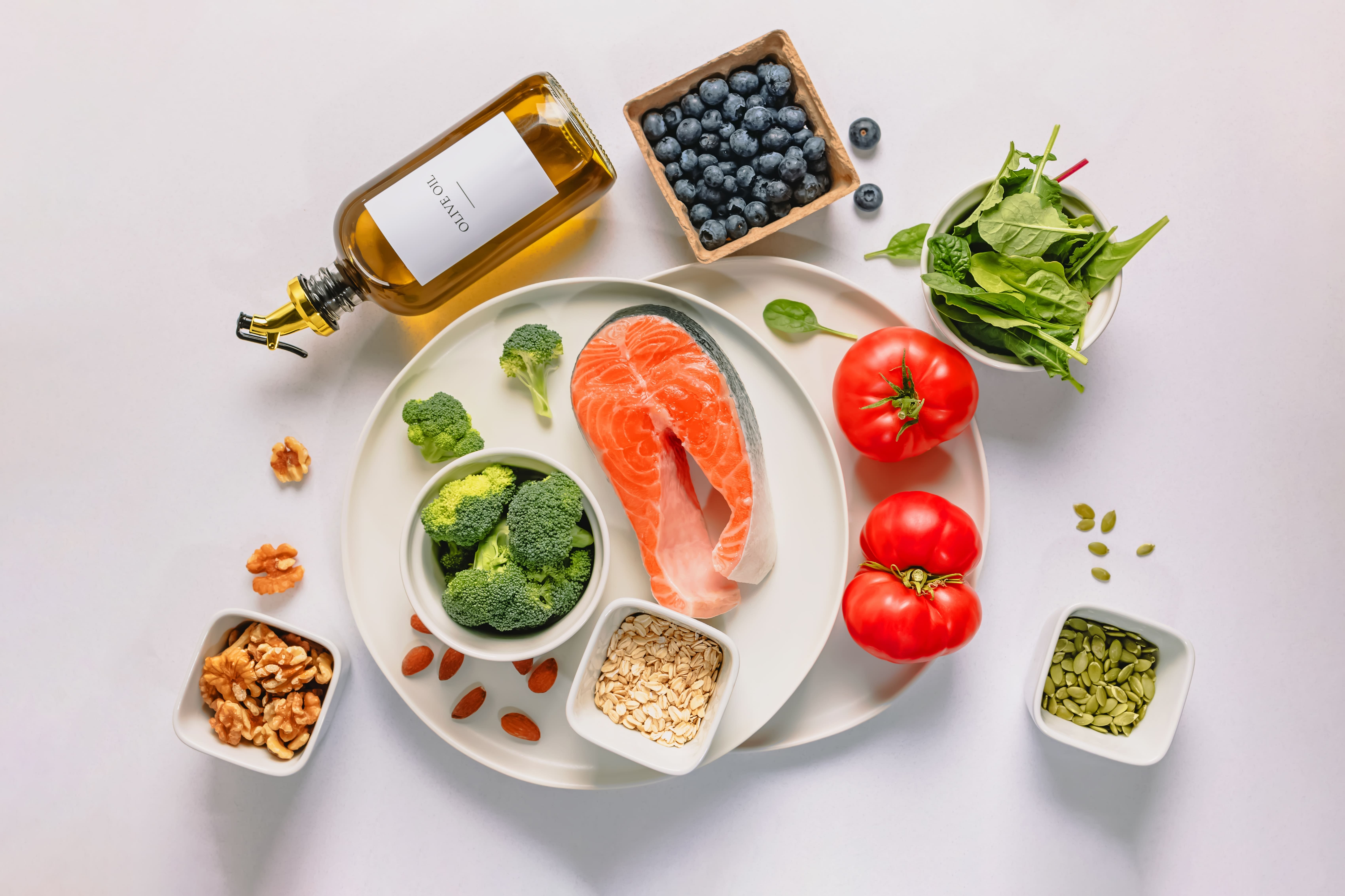
Omega-3 Fatty Acids (The #1 Priority): These are the most powerful anti-inflammatory fats. They directly combat the inflammatory pathways in your body.
Sources: Fatty fish (remember the acronym SMASH: Salmon, Mackerel, Anchovies, Sardines, Herring), walnuts, flaxseeds, and chia seeds.
Antioxidants (The Protectors): Free radicals are unstable molecules that cause damage and inflammation. Antioxidants are the compounds that "quench" them. The easiest way to find them? Eat the rainbow.
Sources: Berries (blueberries, raspberries, strawberries), dark leafy greens (spinach, kale), and deeply-colored vegetables (beets, sweet potatoes).
Polyphenols (The Super-Compounds): These are special plant-based compounds known for their potent anti-inflammatory effects.
Sources: Olive Oil (specifically extra-virgin), dark chocolate (70% or higher), green tea, nuts, and spices.
Spices- The Ancient Healers for Anti-inflammatory Diet:
Turmeric: Contains curcumin, a potent anti-inflammatory compound. (Always eat with black pepper, which boosts its absorption by 2000%.)
Ginger: Another powerful, proven anti-inflammatory that's also great for digestion.
2. Foods to LIMIT in Anti-inflammatory Diets
You don't have to be perfect, but the goal is to reduce your intake of foods that actively cause inflammation.
Sugar and High-Fructose Corn Syrup: This is the #1 accelerant. Excess sugar spikes insulin and promotes the release of inflammatory "cytokines."
Sources of excess sugar: Sodas, candy, pastries, and hidden in sauces, dressings, and "low-fat" packaged foods.
Ultra-Processed Foods: These are "factory" foods that often contain a pro-inflammatory combination of high sugar, unhealthy fats, and artificial additives.
Refined Carbohydrates: White bread, white pasta, and white rice have been stripped of their fiber. They act just like sugar in the body, leading to an inflammatory spike.
Excess Omega-6 Fats (from Processed Oils): Your body needs a balance of Omega-6 and Omega-3 fats. But the modern diet is overloaded with Omega-6s (which are pro-inflammatory) and has almost no Omega-3s.
Sources: The biggest culprits are ultra-processed foods, fried fast foods, and commercial baked goods made with soybean oil, corn oil, and cottonseed oil.
The Fix: It's not about fearing these oils; it's about balancing the ratio by eating fewer processed foods and adding more Omega-3s.
A Sample Day of Anti-Inflammatory Eating
Breakfast: A bowl of oatmeal (fiber) with blueberries (antioxidants), walnuts (Omega-3s), and a sprinkle of cinnamon.
Lunch: A large spinach salad (antioxidant) topped with grilled salmon (Omega-3), avocado, and an olive oil (polyphenol) vinaigrette.
Snack: An apple (fiber) with a handful of almonds (healthy fat).
Dinner: A lentil and vegetable curry made with turmeric and ginger (spices) over a bed of quinoa (fiber/protein).
Conclusion
This isn't a 30-day "diet." It’s a blueprint for a healthier, more vibrant life. To begin your anti-inflammatory diet, start by making one simple swap. This week, try to "eat the rainbow" by adding two new colorful vegetables to your plate. You are not just eating but actively building a more resilient, less-inflamed body from the inside out.