Cosmetic Equipment
What Are Prebiotics? (And Why They're as Important as Probiotics)
What Are Prebiotics? (And Why They're as Important as Probiotics)
In the last few years, the terms "gut health, probiotics, prebiotics" have exploded into the wellness industry. We're all familiar with probiotics, the "good" bacteria found in foods like yogurt, kefir, and kimchi. You must have heard that these are beneficial microbes to our gut. But it is only half the story. There's a crucial, often-overlooked partner in this equation: prebiotics.
But are prebiotics really necessary? If probiotics are the "seeds" you plant in your gut, prebiotics are the "fertilizer" that helps them grow. You can swallow all the probiotic capsules in the world, but if you aren't feeding those good bacteria, you'll never cultivate a truly healthy, thriving internal garden. Learning what are prebiotics is the most important next step in mastering your gut health.
Prebiotics vs. Probiotics: A Simple Analogy
It's easy to get the "biotics" confused. Let's make it simple.
Probiotics (The Bacteria): These are the live, beneficial bacteria themselves. They are the workers who live in your gut and perform critical functions.
Prebiotics (The Food): These are the specialized plant fibers that your human body cannot digest. These fibers pass through your stomach and small intestine, arriving in your large intestine intact. Once there, they become the specific, targeted food for your good probiotic bacteria.
You don't just want to add new workers (probiotics); you want to feed and nourish the millions of good workers you already have. That's the job of prebiotics.
What Happens After Eating Prebiotics?
This is where the science of consuming prebiotics gets truly exciting. When your good gut bacteria (probiotics) feast on their favorite food (prebiotics), they don't just get fat and happy. They produce new, incredibly powerful substances.
This process is called fermentation. As the bacteria ferment the prebiotic fiber, they release waste products. But unlike our waste, their "waste" is a biological treasure called Short-Chain Fatty Acids (SCFAs).
Butyrate is the most famous and important of these SCFAs. These compounds are the real reason prebiotics are so critical for your health.
The Health Benefits: Why Your Body Needs SCFAs
There are numerous characteristics of prebiotics that help in proper functioning of your body.
1. Fuel Your Gut Wall (Prevent "Leaky Gut"): This is their #1 job. SCFAs (especially butyrate) are the primary food source for the cells that line your colon. They keep your gut wall strong, healthy, and intact, which helps prevent "leaky gut"—a condition where particles can escape your gut and cause inflammation.
2. Reduce Inflammation: SCFAs are powerfully anti-inflammatory, both inside the gut and throughout the entire body.
3. Strengthen Your Immune System:
Since ~70% of your immune system is in your gut, a healthy gut wall (fueled by SCFAs) is your first line of defense.
4. Prebiotics Talks to Your Brain (The Gut-Brain Axis):
Your gut and brain are in constant communication. SCFAs can cross the blood-brain barrier and have been shown to influence mood, anxiety, and mental clarity. A well-fed gut is a happier brain.
5. They Help with Blood Sugar:
SCFAs have been shown to help improve insulin sensitivity, a key marker of good metabolic health.
The "Food List": Where to Find Prebiotics
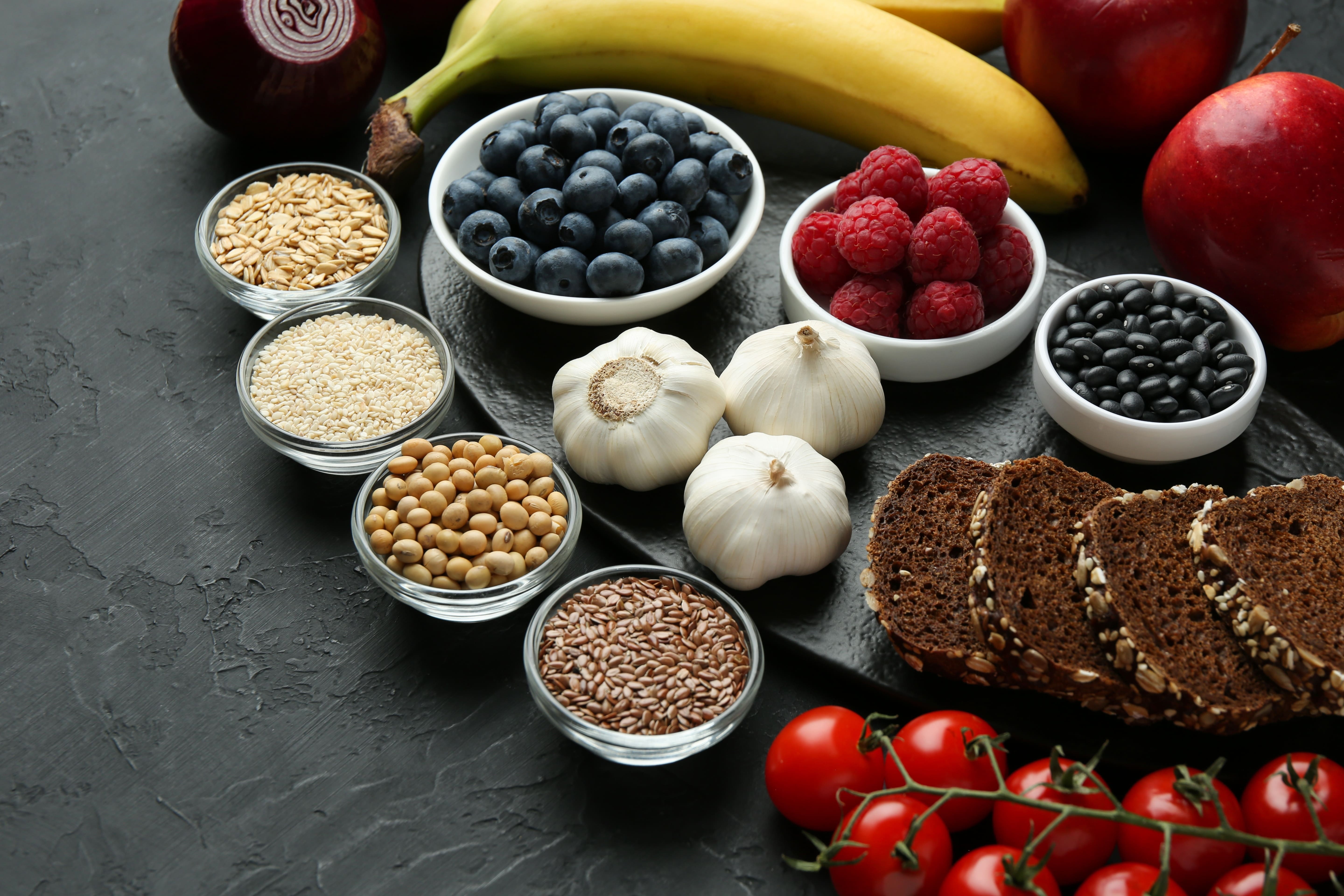
You don't need a fancy supplement. Prebiotics are abundant in common, healthy, and delicious plant foods. The best sources are often in the "allium" family and a few specific roots and fruits.
The Prebiotic All-Star List:
Garlic
Onions (both raw and cooked)
Leeks
Asparagus
Bananas (especially when they are still slightly green)
Oats (whole, rolled oats)
Apples
Barley
Chicory Root: This is a very common food-additive. If you see "inulin" on the label of a fiber bar or supplement, that's a prebiotic fiber from chicory root.
Jerusalem Artichokes (also called sunchokes)
Beans and Lentils
A Crucial Warning: Start Slow!
If your gut is not used to these fibers, do not eat a huge bowl of lentil and onion soup all at once. Too many prebiotics too fast can overwhelm your gut bacteria, leading to a temporary increase in gas and bloating as they feast.
Start slow. Add one new prebiotic food every few days. Let your system adapt.
Conclusion
The goal of a healthy gut is a "synbiotic" one—combining probiotics with prebiotics. Think of a perfect "synbiotic" meal: a bowl of Greek yogurt (probiotic) topped with bananas and oats (prebiotics). You are planting the seeds and providing the fertilizer in the same bite. That is the true secret to building a robust, resilient, and healthy gut.