Cosmetic Equipment
The GERD Diet Plan: A Guide to Foods That Heal (And Foods to Avoid)
The GERD Diet Plan: A Guide to Foods That Heal (And Foods to Avoid)
You must be familiar with a feeling where that uncomfortable, burning sensation in your chest after a meal. That sour, acidic taste in the back of your throat. The "lump" that feels permanently stuck. This is acid reflux, and when it happens chronically, it's known as GERD (Gastroesophageal Reflux Disease).
It's one of the most common complaints in the US, and it can be miserable. While medications can block acid, they don't fix the cause. The most powerful, sustainable way to manage this condition is to understand what is GERD and to implement a GERD diet plan. This isn't about a restrictive, boring life; it's about learning your personal triggers and focusing on the delicious foods to eat with acid reflux.
What Is GERD? (Hint- The "Faulty Door" Analogy)
Think of your stomach as a high-acid "blender." At the top of your stomach, where it meets your esophagus (your food pipe), there is a muscular "door" called the Lower Esophageal Sphincter (LES).
In a healthy person, this door opens to let food in, then seals tight to keep the powerful acid down.
In people with GERD, this "door" is either weak or it relaxes at the wrong times. This allows corrosive stomach acid to "splash" (reflux) back up into the delicate lining of the esophagus, which is what causes the "burn."
The goal of a GERD diet is two-fold:
Avoid foods that irritate the already-damaged esophagus.
Avoid foods that chemically relax the "door," making the problem worse.
The "Trigger Foods": Foods to Avoid or Limit
This is the "offensive" line-up. These foods are known to either be highly acidic or to relax the LES.
High-Fat Foods: This is a top-trigger. Greasy, fried foods (fast food, french fries, fatty cuts of meat, full-fat dairy) sit in your stomach for a long time. This "delayed stomach emptying" puts upward pressure on the LES, pushing it open.
Acidic Foods: These don't cause reflux, but they hurt when they splash onto an already-irritated esophagus.
The Main Culprits: Tomatoes (sauce, paste, juice), and Citrus Fruits (oranges, lemons, grapefruit, pineapple).
"Relaxer" Foods: These are the most devious. They contain compounds that chemically tell the LES muscle to relax.
Chocolate: Contains methylxanthine, a smooth-muscle relaxant.
Peppermint: (Yes, that "soothing" tea can make GERD worse!)
Alcohol: Especially wine and beer.
Coffee (Caffeinated & Decaf): It's not just the caffeine; other compounds in coffee can trigger acid.
Spicy Foods: (Chili peppers, hot sauce). A direct irritant.
Carbonated Beverages: The bubbles can expand in your stomach, putting pressure on the LES.
Onions and Garlic: (Especially raw) are a very common trigger for many people.
The "Safe List": Foods to Eat with Acid Reflux
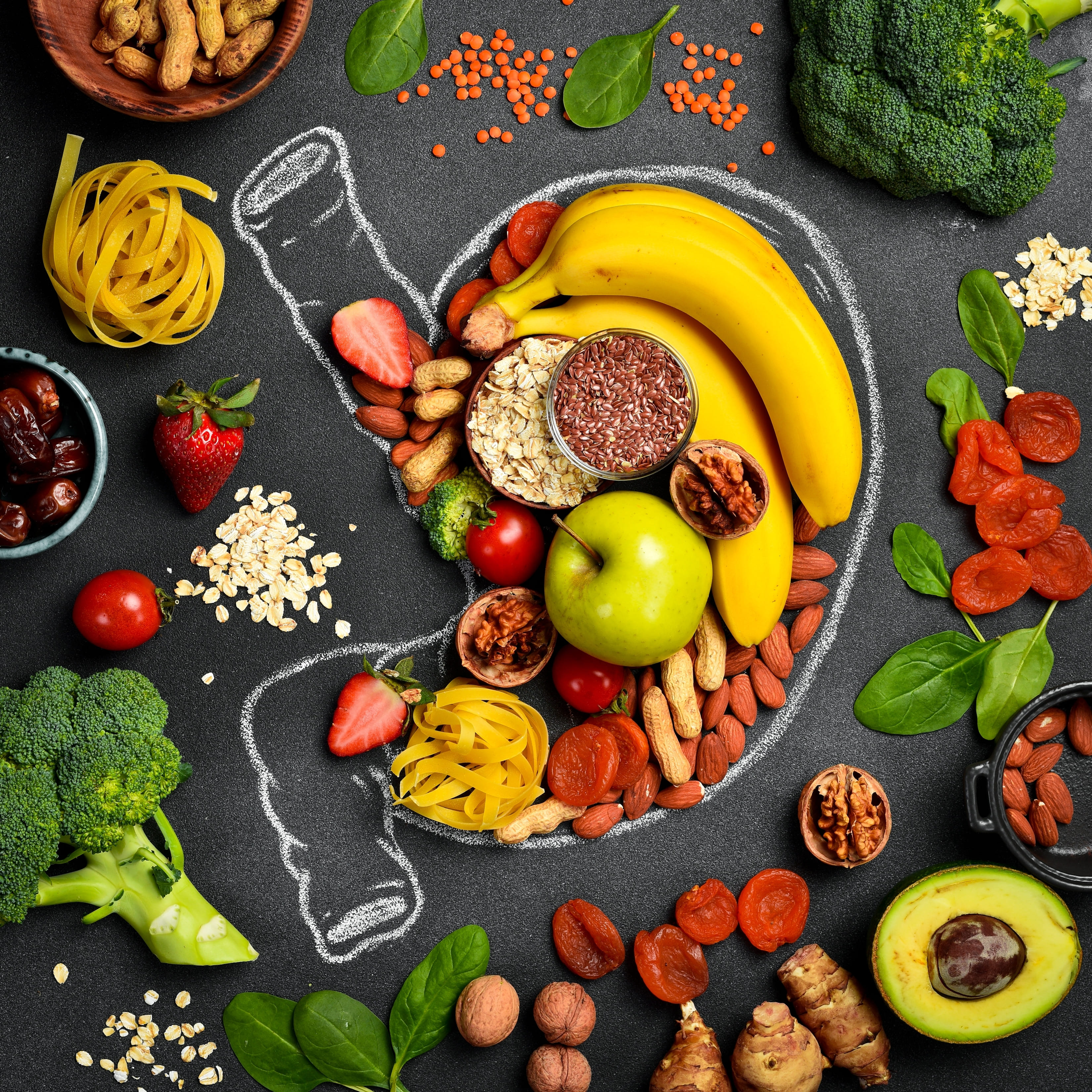
Now for the good news. This is your "healing" list. These are low-acid (alkaline), easy-to-digest foods that help calm your system.
Alkaline Foods: These help to neutralize stomach acid. Examples: Bananas, Melons (cantaloupe, honeydew), Cauliflower, Fennel.
High-Fiber, Low-Fat Foods: Fiber aids digestion and adds bulk. Examples: Oatmeal (a classic GERD-safe food), brown rice, quinoa, and non-citrus fruits.
Watery Foods: These help dilute stomach acid. Examples: Celery, Cucumber, Lettuce, Watermelon.
Lean Proteins: Protein is essential, but choose low-fat options. Examples: Skinless chicken breast (grilled or baked, not fried), fish, tofu, egg whites.
Healthy Fats (in small doses): You need fat, but swap the bad for the good. Examples: A quarter of an avocado, a small drizzle of olive oil.
Soothing Teas: (Non-peppermint)
Ginger Tea: A fantastic anti-inflammatory that aids digestion.
Chamomile Tea: Calming for the mind and the gut.
Lifestyle 101: How to Stop Acid Reflux Naturally
This is just as important as the diet.
Stop Eating 3 Hours Before Bed: This is the #1 rule. Lying down with a full stomach is a recipe for reflux. You must go to bed with an empty stomach.
Eat Small, Slow Meals: Don't overload your stomach. Eat 5-6 small "mini-meals" instead of 3 huge ones. And chew your food. Digestion starts in the mouth.
Elevate Your Head: Use a "wedge" pillow or put 6-inch blocks under the head of your bed frame. This lets gravity help you keep the acid down.
Sleep on Your Left Side: This is a proven "bio-hack." Due to the shape of the stomach, sleeping on your left side keeps the "acid-pool" away from the LES.
Manage Stress: Stress doesn't cause GERD, but it makes you perceive the symptoms as much worse.
Conclusion
This is a journey of self-discovery. Start by eliminating all the trigger foods for two weeks. Then, slowly re-introduce one food (e.g., coffee) and see how you feel. You are a detective, and this is your guide to finding your personal triggers and building a life free from that painful burn.