Cosmetic Equipment
Kettlebell Workout for Beginners: 5 Foundational Moves
Kettlebell Workout for Beginners: 5 Foundational Moves
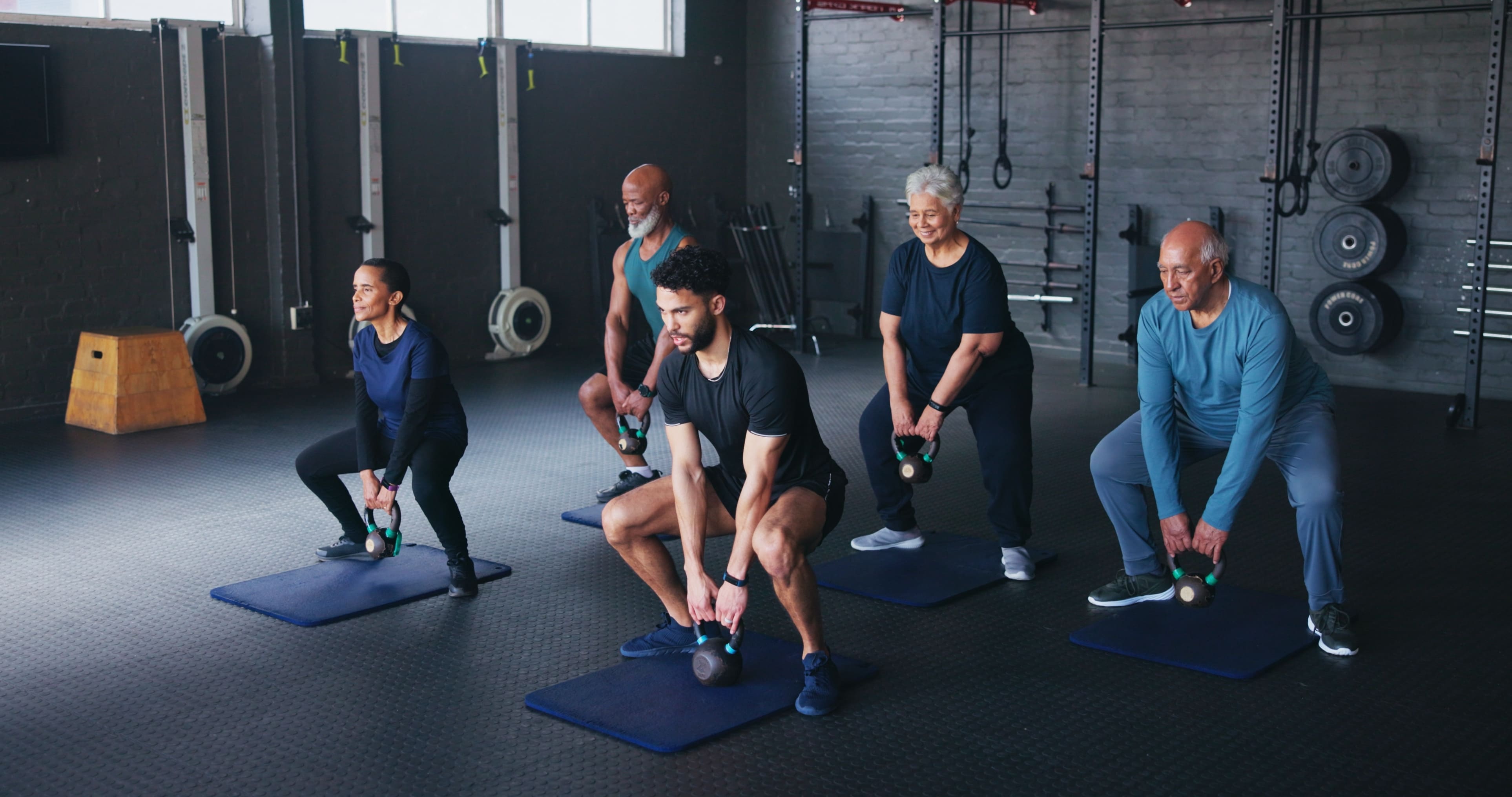
It's one of the most iconic and effective fitness tools ever created: a "cannonball with a handle." The kettlebell is not just a dumbbell with a weird grip; it's a complete, hand-held gym that, when used correctly, can build explosive power, functional strength, and cardiovascular endurance all at once.
However, it's also a tool that demands respect. You can't just "pick it up and lift it." The kettlebell's unique offset weight requires specific techniques. For new users, this can be intimidating. This article will outline the kettlebell workout for beginners, built on the 5 foundational moves you must master to build strength and endurance.
Why Kettlebells? The Unique Benefits
Unlike dumbbells, which have a balanced center of gravity, a kettlebell's mass is offset from its handle. This simple design change does three unique things:
It Blends Strength and Cardio: The "ballistic" (fast, explosive) exercises, like the swing, are hinge movements that tax your muscles and your heart at the same time.
Kettlebell workout Builds Posterior Chain Power: Kettlebells are the #1 tool for building a powerful "posterior chain"—the engine of your body, made up of your glutes, hamstrings, and back.
It Teaches Functional Movement: You have to move the bell—and your body—as one, integrated unit, which is how you move in real life.
It Challenges Your Grip: Simply holding the bell in different positions builds incredible grip and forearm strength.
Holding the Kettlebell Before Beginning the Workout
Before you begin with the kettle bell workout, especially as a beginner, it is necessary to know certain details about the size and position of the kettle bell.
1. What Size Kettlebell to Buy?
This is the biggest beginner mistake: buying a bell that is too light. You do not lift a kettlebell with your arms; you lift it with your hips. A 5 lb. A bell is useless because it will teach you to use your arms, which is wrong and dangerous.
Recommended Starting Weight for Women: 8-12 kg (18-26 lbs)
Recommended Starting Weight for Men: 12-16 kg (26-35 lbs) It will feel heavy, but remember, your legs and glutes are doing the work.
2. The #1 Move: The Hip Hinge (NOT a Squat)
You must learn this before you swing. The swing is not a squat.
A Squat is: Knees bend, hips go down.
A Hinge is: Hips go back, with minimal knee bend.
How to Practice the Hinge?
Stand about six inches from a wall, facing away from it. Place your feet shoulder-width apart. Keeping your back flat and your knees "soft" (not locked), push your hips and butt backward until you tap the wall. Then, squeeze your glutes to stand back up. That "hips-back" motion is the hinge.
The 5 Foundational Kettlebell Moves To Build Strength
Master these five, and you have a complete, full-body workout.
1. The Kettlebell Deadlift (The "Pre-Swing")
This is where you learn the hinge with weight.
How: Place the bell on the floor between your feet. Hinge at your hips, sending your butt back. Grab the handle with both hands, keeping your back flat (your chest should be "proud").
The Move: Squeeze your glutes and push the floor away, standing up tall. Your arms are just "hooks." At the top, stand tall, don't lean back.
Return: Hinge back down, "pushing" the bell back to the floor.
2. The Kettlebell Swing (Two-Handed)
This is the king of kettlebell exercises. It is a powerful, explosive hinge.
How: Start with the bell about a-foot in front of you. Hinge down to grab it, then "hike" it back between your legs (like a football center).
The Move: Explosively snap your hips forward, squeezing your glutes hard. This "hip snap" is what propels the bell forward and up to chest height. Your arms are just along for the ride.
The Finish: Let the bell fall naturally, guide it back into the hinge, and repeat. It's a "hike-snap-float-hike-snap-float" rhythm.
3. The Goblet Squat
This is the best way to learn how to squat.
How: Hold the kettlebell by its "horns" (the sides of the handle) tight against your chest.
The Move: Keeping your chest up, sit your hips down between your heels, going as deep as you can. The bell acts as a perfect counterbalance.
The Finish: Push the floor away to stand back up, squeezing your glutes.
4. The Single-Arm Row
This is a core upper-body builder.
How: Place one hand on a bench or box. Stagger your stance, holding the kettlebell in the opposite hand with a flat back.
The Move: "Pull" the bell back toward your hip, leading with your elbow. Squeeze your shoulder blade at the top.
The Finish: Lower the bell with control.
5. The Kettlebell Halo
This is a fantastic core and shoulder mobility drill.
How: Hold the bell upside-down (bottoms-up) by the horns at your chest.
The Move: Slowly "circle" the bell around your head, keeping it as close to your neck as possible. Your core must stay braced to prevent your ribs from flaring.
The Finish: Complete one full circle, then reverse direction.
Your First Beginner Kettlebell Workout Plan
Perform this circuit 3-4 times. Rest 60-90 seconds between each round.
Goblet Squats: 10 reps
Single-Arm Rows: 8 reps (per side)
Kettlebell Deadlifts: 10 reps
Kettlebell Halos: 5 reps (per direction)
(Wait to add Swings until you have mastered the hinge and deadlift)
Conclusion
Respect the tool, master the hinge, and you will unlock one of the most effective and rewarding training styles on the planet.