Cosmetic Equipment
How to Lower Cholesterol Naturally with Diet and Lifestyle?
How to Lower Cholesterol Naturally with Diet and Lifestyle?
Getting a high cholesterol reading from your doctor can be a wake-up call. It's a "silent" number that can have a serious impact on your long-term heart health. While medication is a powerful and necessary tool for many, the empowering truth is that you have immense control over the list of food to lower cholesterol.
When it comes to uncovering how to lower cholesterol naturally, the answer isn’t about eating a bland, joyless diet but about strategically adding powerful, protective foods and making simple lifestyle tweaks. If you are wondering what reduces cholesterol naturally and quickly, we’ll take you through the most updated methods.
Understanding Your Numbers (The Simple Version)
First, let's demystify the details on your lab report. You'll see a few key numbers:
LDL (Low-Density Lipoprotein): This is the "lousy" or "bad" cholesterol. It's the kind that can build up as plaque in your arteries, narrowing them. This is the number you want to lower.
HDL (High-Density Lipoprotein): This is the "healthy" or "good" cholesterol. Think of it as the "garbage truck" of your bloodstream—it scavenges excess LDL and transports it back to your liver to be removed. You want to raise this number.
Triglycerides: These are another type of fat in your blood. High levels are often linked to diet (sugar, refined carbs) and are also a risk factor for heart disease.
The goal isn't just to lower LDL but to improve your entire cholesterol profile.
The 5 Pillars of Lowering Cholesterol Naturally
Pillar 1: Eat More Soluble Fiber (The Cholesterol "Sponge")
This is the single most effective dietary change you can make. Soluble fiber dissolves in water to form a thick, gel-like substance in your gut. This "gel" acts like a sponge:
It binds to cholesterol and bile acids in your digestive tract.
It drags them out of your body as waste, preventing them from being reabsorbed into your bloodstream.
Your liver then has to pull more cholesterol from your blood to make new bile, thus lowering your numbers.
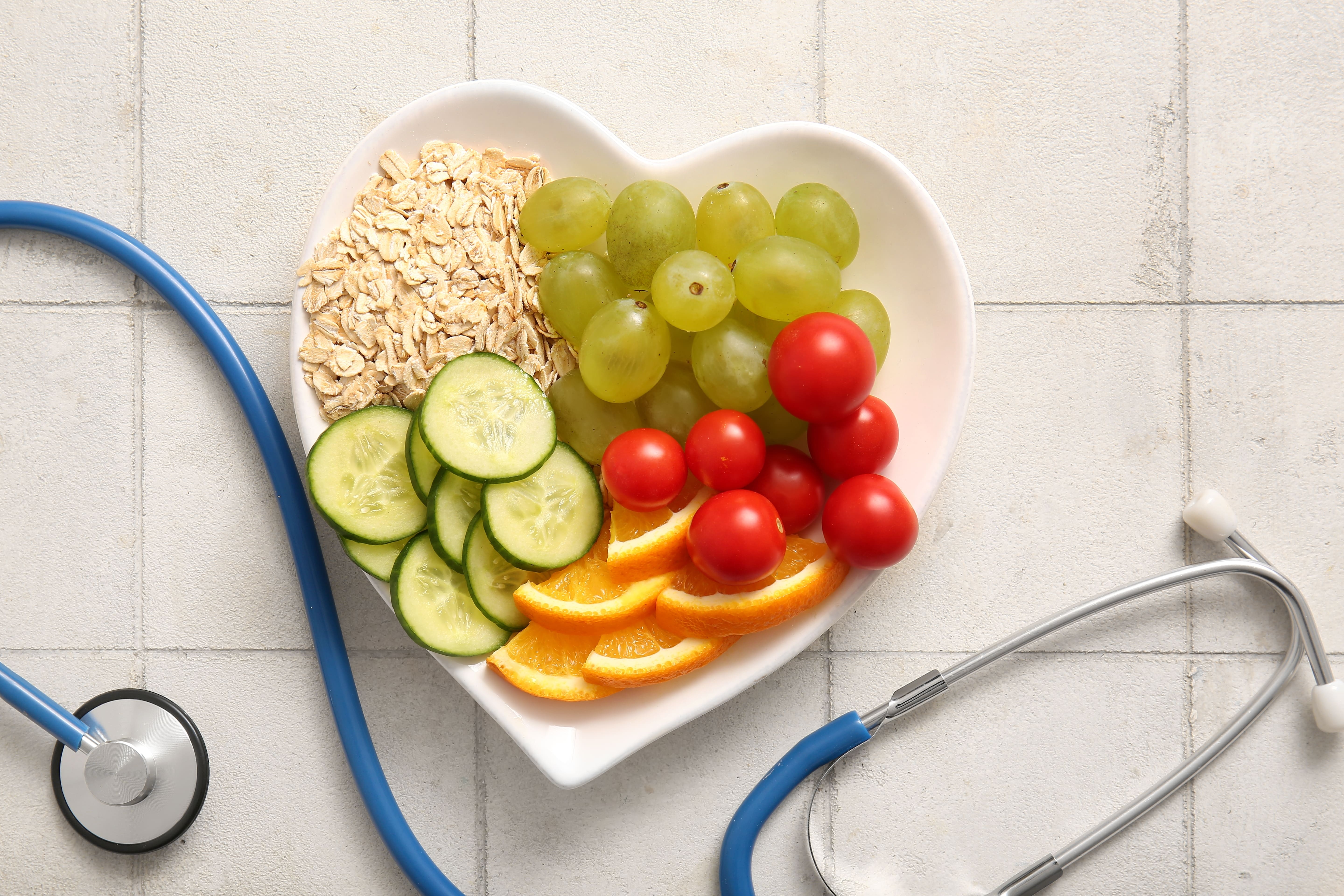
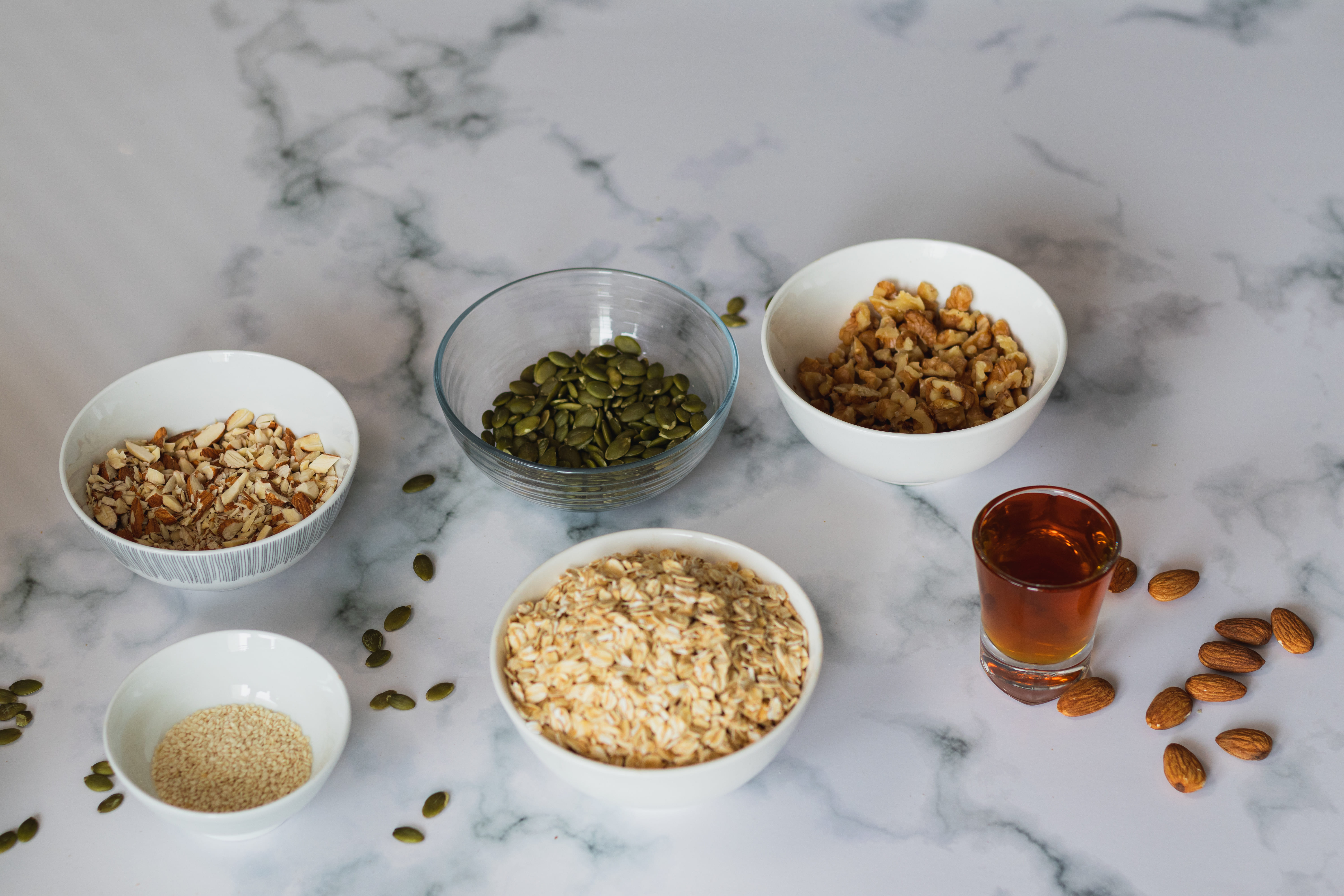
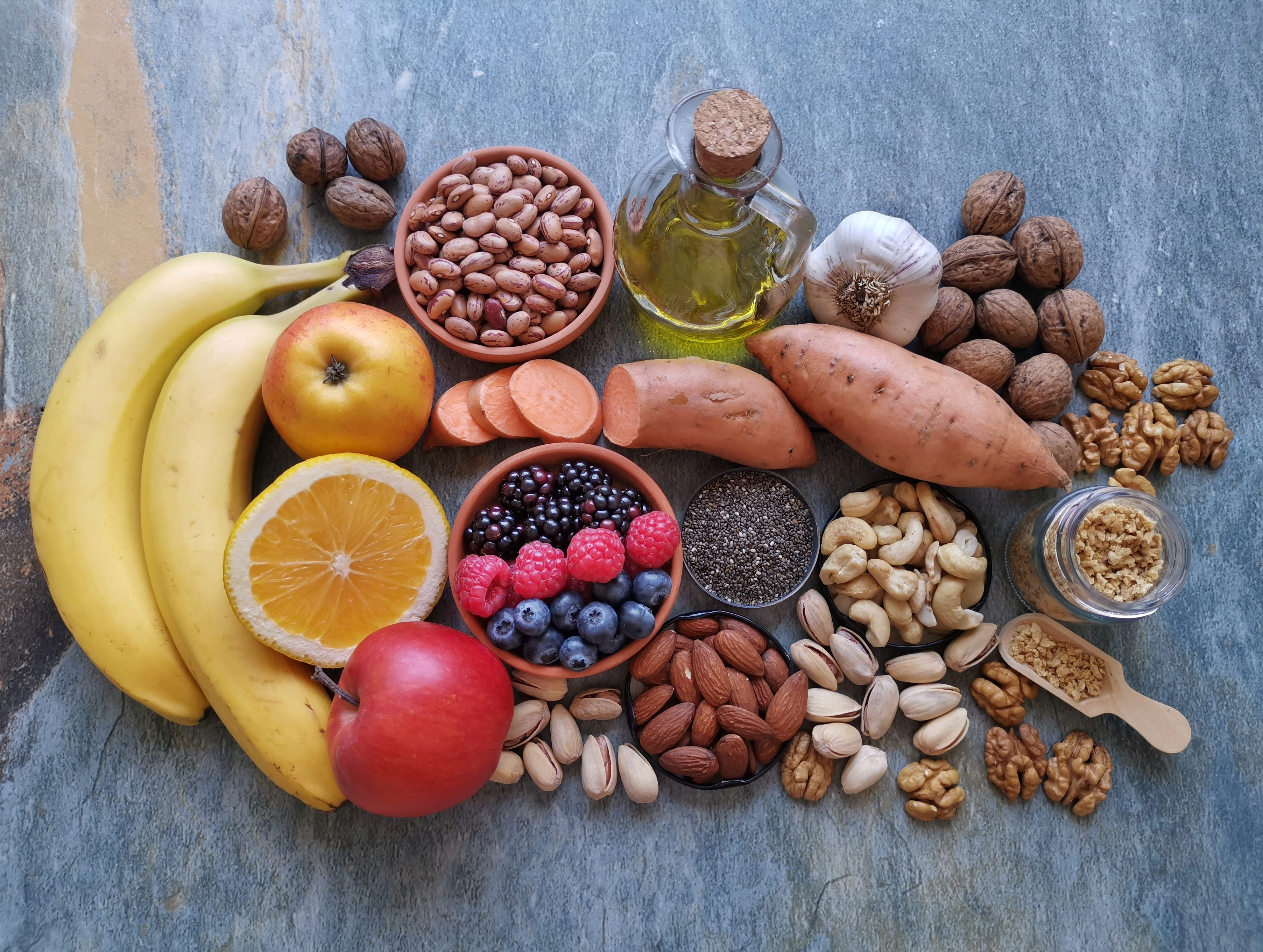
Actionable Foods: Oats (oatmeal, oat bran), barley, beans, lentils, Brussels sprouts, apples, flaxseeds, and psyllium husk.
Pillar 2: Eat the Right Fats (And Ditch the Wrong Ones)
This is a crucial point to reduce cholesterol levels. You do not need to go on an ultra-low-fat diet. However, you need to eat the right fats.
ADD THESE (Monounsaturated & Polyunsaturated): These healthy fats raise your good HDL and lower your bad LDL,thus lowering your cholesterol.
Sources: Olive oil, avocados, nuts (walnuts, almonds, pistachios), and seeds (chia, flax, hemp).
ADD THIS (Omega-3s): Fatty fish are rich in Omega-3s, which don't just lower LDL; they are also fantastic for lowering triglycerides and reducing inflammation.
Sources: Salmon, mackerel, sardines, and anchovies. Aim for 2 servings per week.
REDUCE THESE (Saturated & Trans Fats): These fats directly raise your bad LDL levels.
Sources: Fatty cuts of red meat, full-fat dairy, coconut oil, and ultra-processed foods (fried foods, commercial baked goods).
Pillar 3: Introduce Plant Stanols and Sterols
These are naturally occurring compounds in plants that have a chemical structure similar to cholesterol. They work by blocking the absorption of cholesterol in your intestine.
Recommend Foods that Lower Cholesterol: You can get them in small amounts from nuts, seeds, and whole grains, but the easiest way to get a therapeutic dose is from fortified foods like certain margarines (like Benecol), yogurts, and orange juices.
Pillar 4: Get Your Body Moving (The HDL Booster)
Diet is fantastic for lowering LDL, but exercise is the #1 way to raise your good HDL. Physical activity, especially aerobic exercise, tells your body to produce more of those "garbage trucks" to clean out your system.
How to reduce cholesterol through exercise: Aim for 150 minutes of moderate-intensity aerobic activity per week. This is just 30 minutes, 5 days a week, of brisk walking, cycling, swimming, or dancing.
Pillar 5: Make Smart Lifestyle Swaps
Quit Smoking: This is non-negotiable. Smoking dramatically lowers your good HDL and damages your artery walls, making it easier for plaque to form.
Moderate Alcohol: Excessive alcohol can raise triglycerides.
Manage Stress: Chronic stress can contribute to behaviors (like poor diet) that raise cholesterol.
Key Takeaways
These numbers are not your destiny; they are your data. They are a report card on your current habits, and you have the power to change them. Start small. This week, just swap your sugary cereal for a bowl of oatmeal with berries. That single, powerful step is the beginning of a healthier heart.