Cosmetic Equipment
Best Low Impact workouts to Build Strength after turning 40
Best Low Impact Workouts to Build Strength after turning 40
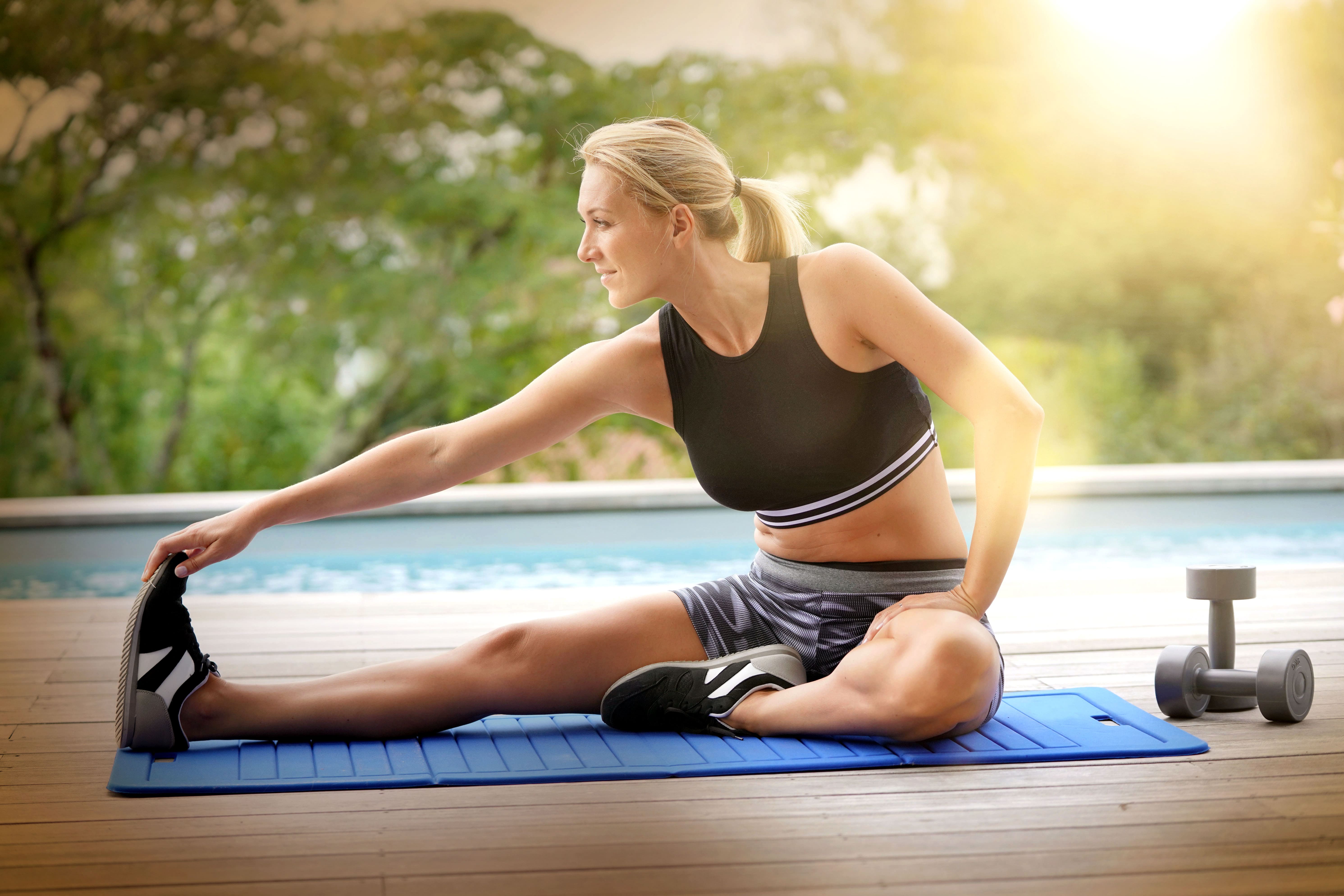
Let's be honest. One of the first things people notice after turning 40 is that their body starts speaking through consistent joint pains, discomfort during walking, etc. The high-impact, pavement-pounding workouts of your 20s, the ones that used to leave you feeling energized, now just leave you feeling sore. Your knees, your hips, your lower back... they all seem to have an opinion.
This is a critical turning point. Many people make the mistake of either pushing through the pain (leading to injury) or stopping altogether (leading to weakness). But there is a third, smarter option: shifting to low-impact workouts.
The "secret" that fit, pain-free people over 40 know is that "low-impact" does not mean "low-intensity" or "low-benefit." In fact, it’s the key to building a strong, lean, and resilient body for decades to come.
What Is a "Low-Impact" Workout? (And What It's Not)
Let's clear the fundamentals of low impact strength training immediately.
Low-Impact: An exercise where at least one of your feet maintains contact with the ground, or where your body is supported (e.g., by water or a machine).
High-Impact: An exercise where both feet leave the ground at the same time (e.g., running, jumping, burpees).
The impact refers to the jarring, percussive force on your joints, not the effort. A low-impact strength training session can be one of the most challenging and effective workouts you will ever do. It’s a smarter way to train, not a weaker one.
Why Low-Impact Is the "Cheat Code" for Fitness Over 40?
The 40+ body is in a new phase. You may be dealing with the beginnings of arthritis, or old injuries, and you simply can't recover as fast as you used to. A high-impact workout might require three days of recovery, while a low-impact one allows you to be consistent.
The goal is to stress your muscles and your heart, not your cartilage and tendons. Low-impact strength training allows you to do exactly that, building strength, burning calories, and improving cardiovascular health, all while protecting your joints.
The Top 5 Low-Impact Workouts for Strength and Cardio
Here are the best, most effective, joint-friendly exercise options that deliver maximum results.
1. Kettlebell Training (The Low-Impact Powerhouse)
This is the most surprising one on the list. The foundational kettlebell movement, which is the kettlebell swing, is a low-impact, high-intensity ballistic movement. It is a hip-hinge, not a squat, and it has zero impact. It builds explosive power in your "posterior chain" (glutes, hamstrings, back), sends your heart rate soaring, and builds bone density, all while your feet never leave the ground.
2. Indoor Rowing (The Total-Body "Melt")
This is arguably the most efficient, total-body, low-impact workout on the planet. A common myth is that rowing is an "arm" exercise. It's not. A proper rowing stroke is 80% legs and 20% upper body and core. It's a "pulling" motion, which is fantastic for correcting "desk posture." It's a cardio and strength workout in one, with zero impact on your knees or ankles.
3. Swimming (The Zero-Gravity Solution)
Water is the ultimate equalizer. It supports 90% of your body weight, meaning you have zero impact on your joints. This makes it a perfect fitness for knee pain solution. But it’s not just for rehab; the water provides 360-degree resistance. Swimming laps engages your entire body—lats, shoulders, core, glutes—building long, lean muscle and world-class cardiovascular endurance.
4. Cycling (Indoor or Outdoor)
Cycling is a powerful way to build "bulletproof" knees. How? It builds incredible strength in the muscles that support the knee—your quadriceps, hamstrings, and glutes. This creates a strong, supportive "scaffolding" around the joint, taking the pressure off the joint itself. It’s a fantastic cardio workout that you can scale to any intensity, from a casual ride to a high-intensity spin class.
5. Pilates (The Core and Alignment Specialist)
While often seen as "gentle," a true Pilates session (especially on a Reformer) is a deceptively challenging strength workout. Its primary focus is on building deep, functional core strength and perfect alignment. This is crucial for the 40+ body, as it teaches you to move from a strong, stable center, which protects your lower back and hips from injury.
Final Thoughts for Strength Training Over 40
You don't have to live with joint pain. You don't have to give up on being strong. Your body isn't failing you; it's just asking you to be smarter. By swapping high-impact jarring for high-intensity, low-impact work, you're not "retiring." You're just getting started.