Cosmetic Equipment
5 Best Low-Glycemic Fruits to Eat If You Have Type-2 Diabetes
5 Best Low-Glycemic Fruits to Eat If You Have Type-2 Diabetes
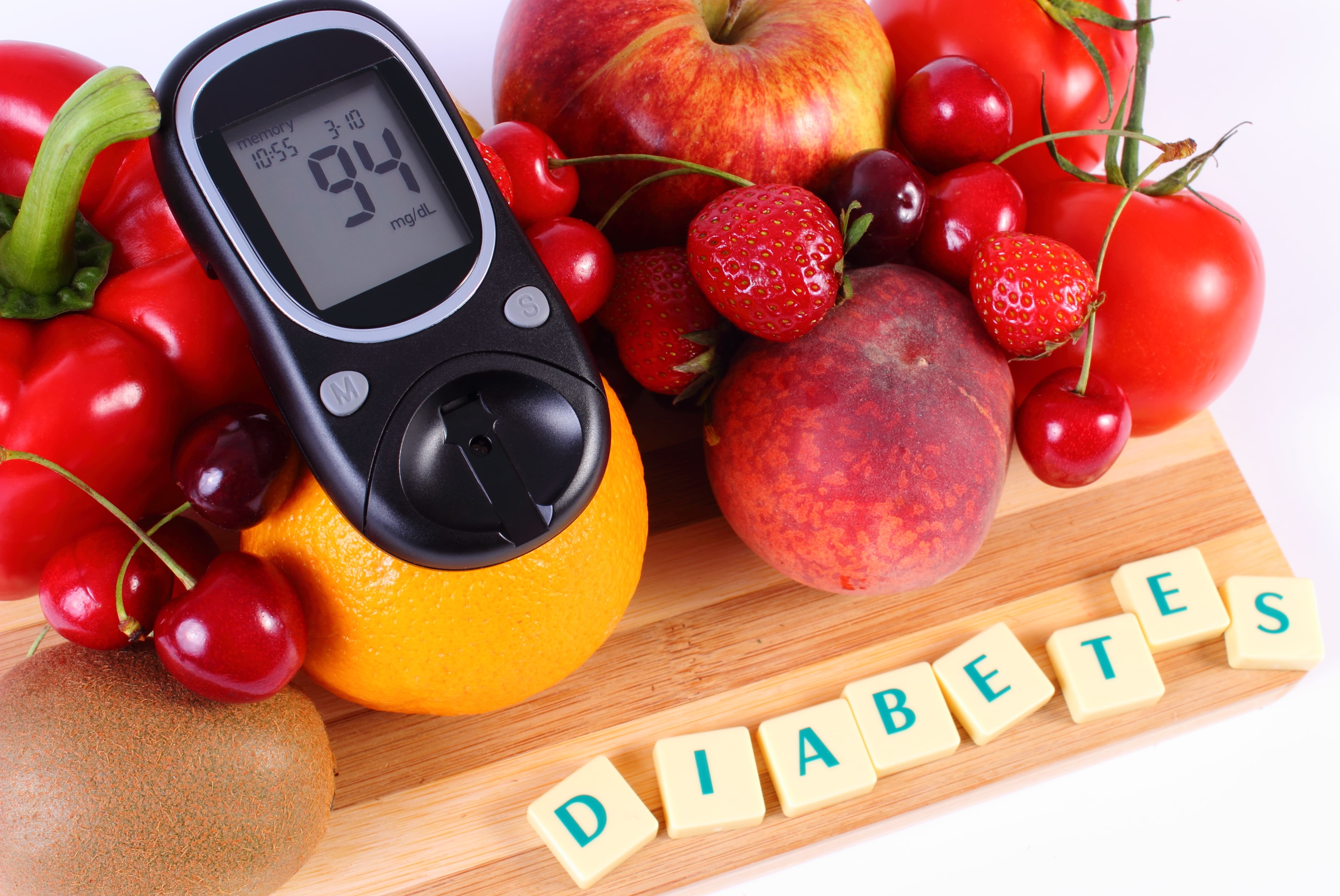
If you are living with Type-2 Diabetes, the "fruit" question is one of the most confusing and stressful. You've been told to watch your sugar, and fruit consists of sugar. This has led to a pervasive, dangerous myth: that you can't eat fruit at all.
Let's be perfectly clear: This is false. The fruits to reduce the impact of type 2 diabetes are not only "safe" but are a critical part of a healthy diet. They are packed with the exact things your body needs: fiber, vitamins, and antioxidants.
You just need to know which fruits to choose and how to eat them. Here, we will explore the best fruits for diabetics, a safe, low-glycemic fruits list that will let you enjoy nature's sweetness, guilt-free.
But before that,
Disclaimer: This is not a replacement for medical advice. Always talk to your doctor or a registered dietitian to understand how to incorporate fruit into your personal meal plan.
The "Rules" of Smart Fruit Choices for Diabetics
Before the list, you must understand the rules. These are the non-negotiables that make fruit a "safe food."
Eat the Whole Fruit, Never the Juice:
This is the #1 rule. Fruit juice is a disaster for diabetics. It's all the sugar from 5-6 oranges, with none of the fiber. It's a "sugar-bomb" that will spike your blood sugar. The whole, physical fruit contains fiber, which is the "antidote." Fiber slows down digestion and the release of sugar into your bloodstream.
Pair It with Protein or Fat:
The "pro-tip" for all diabetics. Never eat a "naked" carb. By eating your fruit with a source of protein or fat, you slow digestion down even more.
Think: An apple with a handful of almonds. Berries with a bowl of plain Greek yogurt.
Watch Your Portions. A whole watermelon is not a "safe" food. A cup of watermelon is. Portion control is still key.
Know Your GI vs. Your GL
Glycemic Index (GI): A rating of how fast a food spikes your blood sugar. We want Low-GI foods (under 55).
Glycemic Load (GL): This is the more important number. It's the GI plus the portion size. It tells you how much the food will spike your blood.
The 5 Best Low-Glycemic Fruits for Diabetics
1. Berries (The #1 Choice)
Why They're Safe: Strawberries, blueberries, raspberries, and blackberries are the "all-stars" for diabetics. They are packed with fiber, water, and antioxidants, and they have the lowest GI-rating of almost any fruit.
The Science: Raspberries are a fiber-powerhouse, with 8 grams per cup! This massive fiber load means their net-carb impact is incredibly low, causing a very gentle, slow rise in blood sugar. The antioxidants (anthocyanins) in blueberries have also been shown to help improve insulin sensitivity.
Estimated GI Score: ~25-40 (very low)
2. Cherries (The Anti-Inflammatory Star)
Why They're Safe: Fresh, tart cherries are a fantastic low-GI choice. They are one of the few food sources of anthocyanins, a powerful antioxidant that gives them their deep red color.
The Science: These anthocyanins are not just good for you; they are specifically good for diabetics. Studies suggest they can help reduce inflammation and have a modest, positive effect on insulin sensitivity.
Estimated GI Score: ~41 (low)
3. Apples (The "Fullness" Fruit)
Why They're Safe: An apple a day is a great motto, even for diabetics. The "magic" is in two places: the high soluble fiber (pectin) and the skin.
The Science: That pectin-fiber is a gel-like substance that slows digestion to a crawl. The skin contains quercetin, a compound that may help improve insulin resistance. Paired with a tablespoon of peanut butter, it's the perfect, stabilizing snack.
Estimated GI Score: ~39 (low)
4. Pears (The "Gentle-Fiber" Fruit)
Why They're Safe: Similar to apples, pears are a fiber-superstar. They are a "gentle" fruit, easy on the digestive system, and their high water content makes them a great, low-calorie-density choice.
The Science: A medium pear can have over 6 grams of fiber. This fiber-plus-water combination means a pear is surprisingly "filling," which helps prevent overeating and keeps blood sugar stable.
Estimated GI Score: ~38 (low)
5. Avocados (The "No-Spike" Fruit)
Why They're Safe: This is your "loophole" fruit. Avocados are loaded with healthy monounsaturated fat and fiber, and they have virtually zero sugar.
The Science: Because they are all fat and fiber, they will not spike your blood sugar. In fact, adding avocado to a meal has been shown to blunt the blood-sugar spike of other foods. It's the perfect "pairing" food to add to a salad or a piece of whole-grain toast to ensure a slow, stable energy release.
Estimated GI Score: ~15 (negligible)
Final Thoughts
Living with diabetes doesn't mean you have to give up the sweet, natural goodness of fruit. It just means you get to be smarter about your sugar choices. Fear is not a food group. By choosing these low-glycemic, high-fiber options and remembering the golden rules of eating the whole fruit and pairing it with a protein or fat, you are taking back control. You have the power to nourish your body, manage your blood sugar, and still enjoy the delicious foods that nature provides.